


Why I Don't Day Trade
When viewers asked whether I day trade, my answer was straightforward:
“I'm not a trader.”
I make very few trades. My interest is in understanding a business and, on occasion, identifying a specific event the market may be mispricing. That is different from buying and selling throughout the day because I expect a repeatable quick-money pattern.
Why the quick-money pitch does not persuade me
In the 2022 Q&A, I criticized systems that promise easy gains from rapid trades. If a simple method reliably produced extraordinary returns, I would expect the people using it to have far more evidence than a few social-media wins. A screenshot of one good trade says little about the losses, costs, or risks that came before and after it.
I also asked what an individual trader expects to know or calculate better than firms with large teams of specialists and substantial computing resources. That question is not proof that no individual can ever succeed. It is a reason I would be skeptical of a system sold as an easy route to wealth.
Before I put money into a business, I want to understand the business and its numbers. I explain part of that groundwork in why I start with financial statements. For someone still building those skills, learning before deciding how to invest is a more useful first question than finding a trading shortcut.
What an occasional trade means for me
I described the rare trade I might make around a company event, such as an earnings announcement. I would have a view about what the market expected and why that expectation might be wrong. In the recording I mentioned buying, shorting, and options as instruments I had considered for such a view. That was a description of my own approach, not a formula for anyone to copy.
Even when I feel confident about an event, I can be wrong. The fact that I sometimes take a position does not make me a day trader, and it does not make a short-term trade safe.
Why I object to adding debt
A third viewer asked about trading on margin. Margin means borrowing against an account to increase the size of a position. In the session, I compared using borrowed money for speculative trading with taking a cash advance to gamble. The analogy was deliberately blunt: losses can be amplified when debt is involved.
The SEC's investor guidance on day-trading risks also explains that leverage increases risk. My conclusion is personal and simple: I do not want to use borrowed money to chase the kind of fast trading result promoted in a social-media post.
Stocks, a business, and real estate can each play different roles in a long-term plan. I discuss how I think about them together in entrepreneurship, stocks, and real estate. None of that requires me to trade every day.
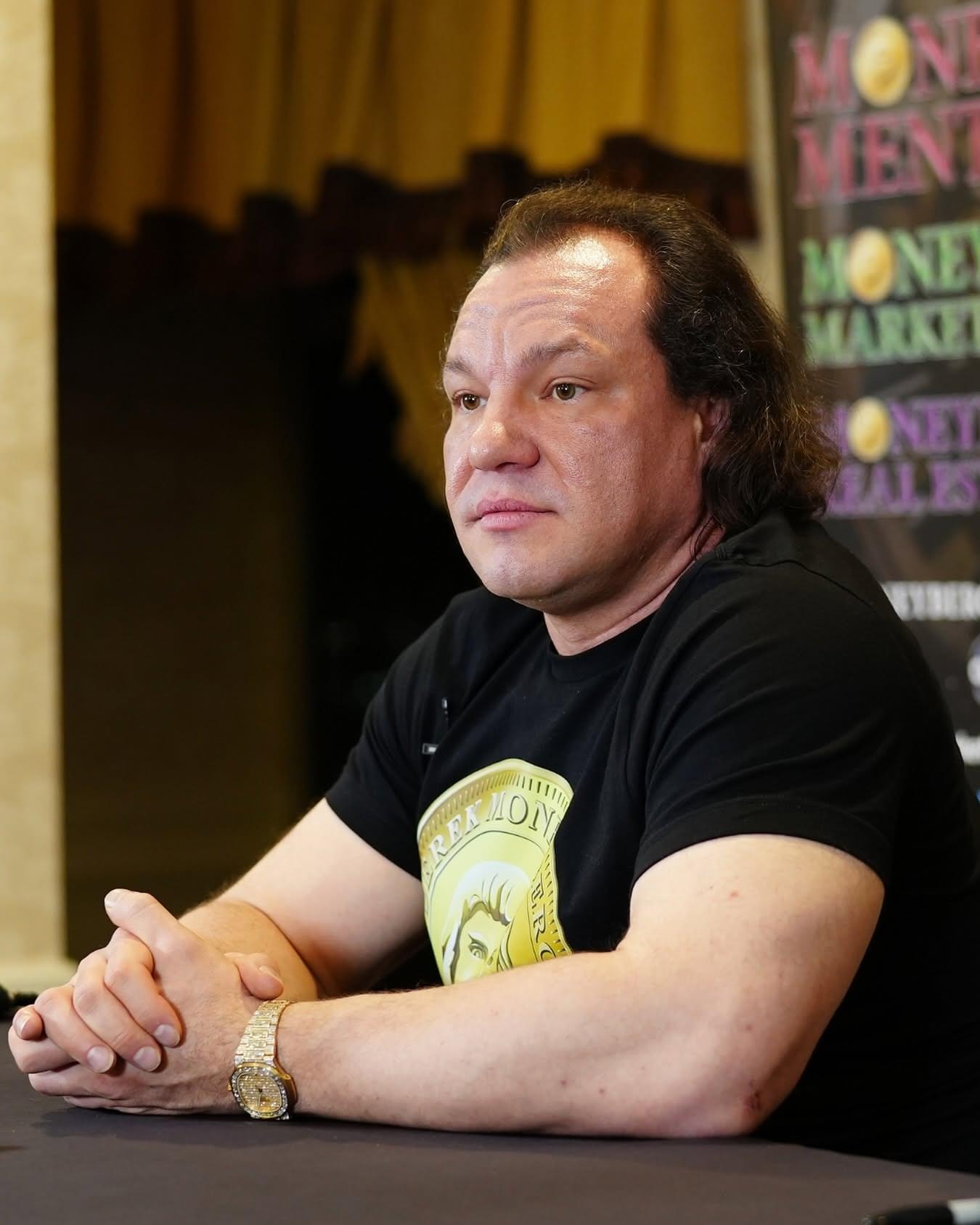
I’m an investor, entrepreneur, wealth coach, and host of The Derek Moneyberg Podcast.
Other posts by Derek