


Why Reading Financial Statements Comes First
If I am buying part of a business, I want to understand the statements that show how it earns, spends, borrows, and reinvests money. That was my starting point in a May 2023 question-and-answer session about stocks and real estate investment trusts. It is also why I was skeptical of someone buying a stock without being able to read the underlying accounts.
Look beyond one headline ratio
A viewer asked about a company whose research spending or reinvestment might make current earnings look weak. Could value be hidden behind a poor price-to-earnings ratio? The question was a good example of why one headline number is not enough. I want to understand what is being spent, whether the spending can produce future value, and what the business is worth relative to its risks.
In my answer, I described another kind of opportunity: buying several small operating businesses, improving their systems, and eventually selling a more coherent group. Dental practices, clinics, and salons were examples. Some investors try to improve operations and earn a higher valuation on the combined business. That is difficult work, and competition for attractive businesses can push purchase prices high. The words “private equity” do not make the work easy.
Learn the language before committing capital
I compared accounting with a language. Knowing a subject is not enough to teach it in a place where you cannot communicate. Similarly, an investor who cannot read a balance sheet, income statement, or cash-flow statement has trouble judging what a business is doing. The problem is deeper than being unable to discuss it with another investor: you may not see what the company owns, owes, earns, or consumes.
I was blunt in the video about the consequences of investing without that foundation. I would phrase the practical lesson this way: I do not want to make a stock purchase based only on a story or price chart when the statements could change the conclusion. Basic financial and managerial accounting are places to start. The aim is not to master every academic detail before making any decision; it is to understand the variables that matter for the business in front of me.
A student's question about college and mentorship led me to discuss related groundwork in building skills for long-term financial success. The same gap is part of why I do not look for a day-trading shortcut.
What I said about REITs in 2023
Several viewers then asked about real estate investment trusts. I had owned single-family rentals and REITs, and by that session I no longer held the individual rentals. I preferred holding some real estate exposure through REITs because I did not have to manage construction, tenants, and financing myself. That was my own portfolio choice at the time, not a claim that every REIT is better than every rental property.
REITs can own very different types of property, from retail space to data centers and cell-tower sites. I did not claim to know every company in the category. I told the viewers to study the specific trust, its assets, management, debt, and price rather than buy a label.
In May 2023, I said I liked some mall REITs despite expecting a difficult short term, and I speculated that lower interest rates later might help them. That was a dated expectation. It is not a current price forecast. I also said plainly:
“I'm not telling you to buy them.”
Before I buy any interest in a business or property portfolio, I want to know what I own and what I am paying for it. Reading the statements is the beginning of that work, not the end.
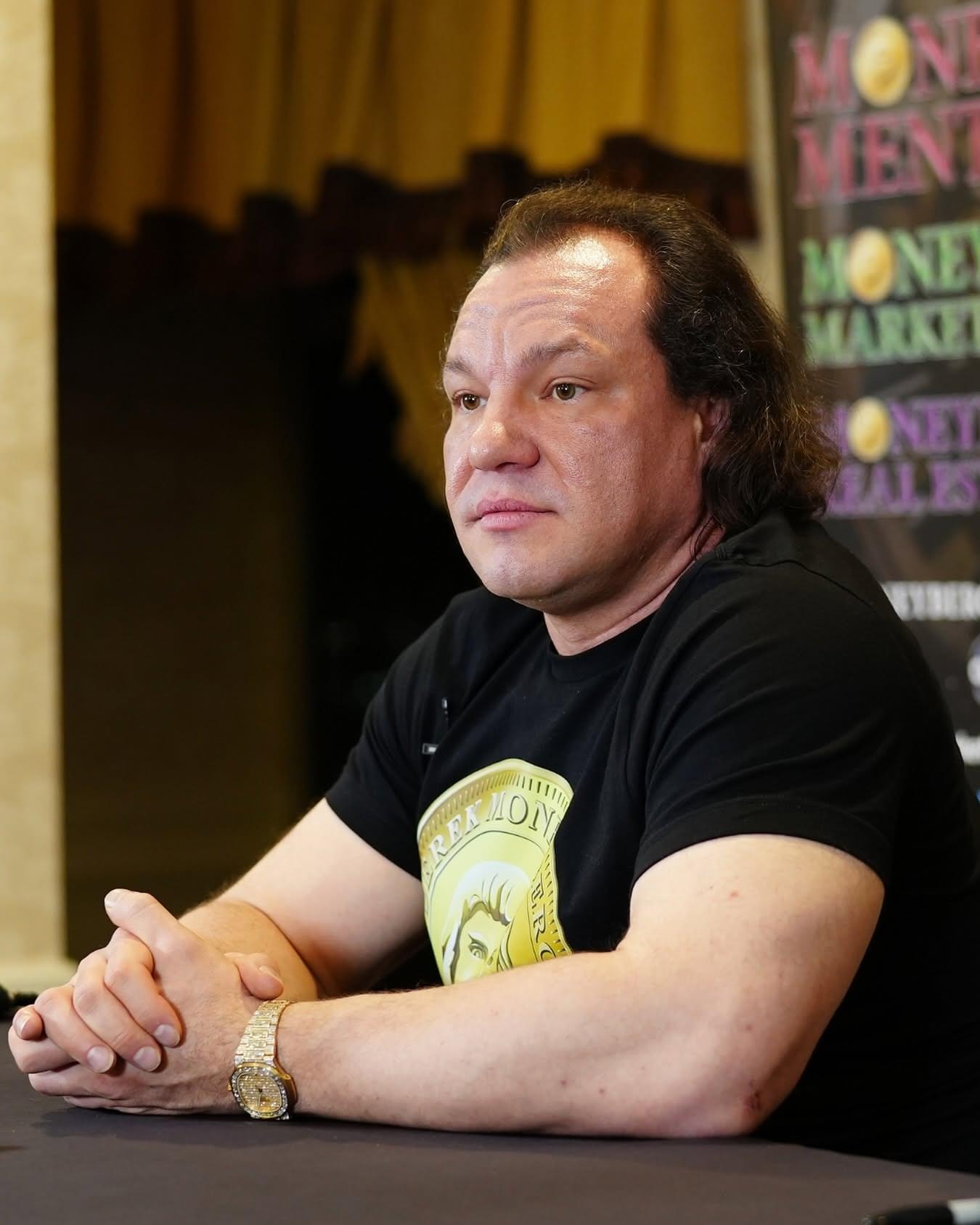
I’m an investor, entrepreneur, wealth coach, and host of The Derek Moneyberg Podcast.
Other posts by Derek