


Entrepreneurship, Stocks and Real Estate Work Together
During a 2022 Q&A, two viewers asked how entrepreneurship connects to investing. My answer was that a business, a share of stock, and a piece of real estate are not three isolated subjects. Each gives you a different view of how money moves through an economy. You still have to decide where to put your own time and capital; learning the connections does not mean trying to make every investment at once.
Start with what a business actually does
The first viewer asked how being an entrepreneur had helped me as an investor. I began with the work in front of most people: contribute well to your employer or clients, learn how a small business operates, and manage your own finances. If you cannot contribute reliably in a role or manage a household budget, running a company will be harder. Those are skills you can practice before you own one.
Operating a small business forces you to look at customers, costs, people, and decisions together. That experience can make a large public company less abstract. A stock is an ownership interest in a business, so I want to understand the business before deciding what its shares might be worth. Reading a company's statements is one part of that work; I explain the starting point in why I read financial statements before investing. A stock price by itself does not tell you whether the business behind it is sound.
That does not make entrepreneurship a prerequisite for buying a stock. It describes the path I was recommending to the viewer in that conversation: get competent at managing your work and money, learn how businesses function, then use that understanding to evaluate larger opportunities. It is the opposite of treating a trade as a shortcut to learning.
Why real estate belongs in the same conversation
A second viewer said he had left one of his full-time jobs to focus on his business. He asked whether he should put his attention on that business, stocks, real estate, or neglected personal projects. I told him to learn about entrepreneurship, stocks, and real estate together, because decisions in one area affect the others. That is different from telling him to buy all three immediately. He still needed to consider his skills, goals, current opportunities, and gaps in his knowledge.
Even a business owner who does not own a building deals with real estate. Rent or property costs shape a company's expenses. Housing prices can affect how customers spend. For many households, a home is among the largest purchases they will make. These connections are why I wanted the viewer to understand property markets alongside businesses and public companies.
The practical question is not which label sounds most attractive. It is what you understand well enough to act on, what you can afford, and what you need to learn before taking on another commitment. In a separate answer about a hypothetical $100,000, I explain why I would invest in education first when the knowledge to use capital well is still missing.
Interest rates change the setting for every decision
In the same 2022 conversation, I said interest rates affect small businesses, large businesses, real estate, stocks, bonds, commodities, and currencies. That does not mean a rate move predicts a simple, identical result for each. It means the cost of borrowing and the alternatives available to investors change the setting in which all of them operate.
A business may need to finance growth; a property buyer may need a mortgage; an investor comparing a stock with a bond needs to know what the bond now yields. Ignoring rates can leave a hole in your understanding of a decision even when rates are not the only factor. I compared it to writing software: having a keyboard does not mean you understand how the system works. You have to learn how its parts connect.
My answer in 2022 was an argument for building a better model, not a market forecast. The viewer could keep developing the business he knew while studying the wider system and waiting for opportunities he actually understood.
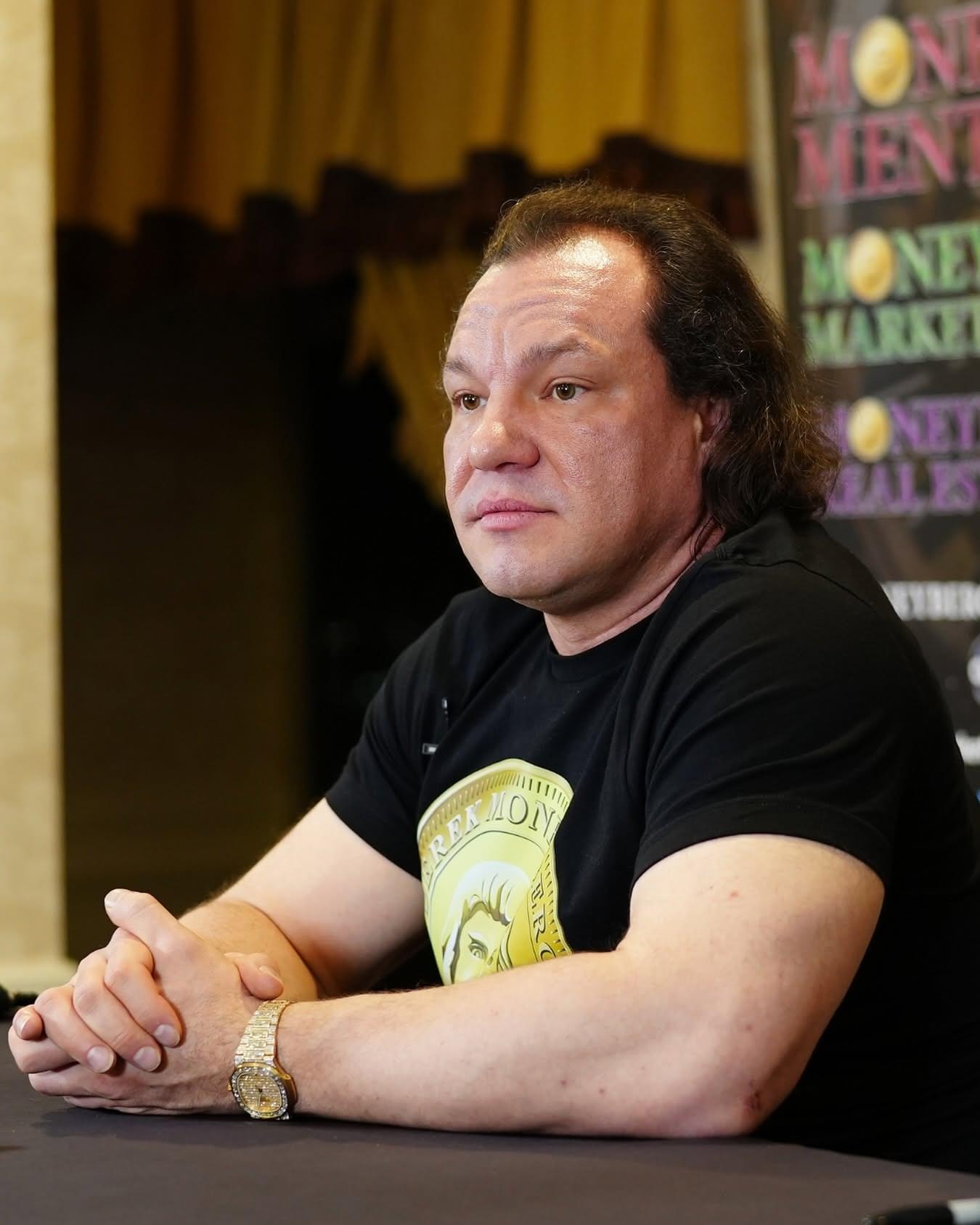
I’m an investor, entrepreneur, wealth coach, and host of The Derek Moneyberg Podcast.
Other posts by Derek