


Volatility Is Not the Same as Risk
Most people misjudge risk because they treat volatility as if it were risk. I do not think the two are the same, and the difference changes how I think about what could go wrong with an investment.
What a price swing does and does not tell me
Volatility measures how much a price moves. In the models I was taught, that movement often stands in for risk. I do not think it answers the question I care most about: how much money could I lose by owning this business at this price?
What volatility does to prices
In my view, uncertainty can make investors less willing to pay a high price. People pay for what they believe is predictable, even when that belief turns out to be wrong. I explain the limits of what research can settle in how much research is enough before you invest.
When I recorded this in 2025, tariffs, wars and other political developments were among the uncertainties investors were weighing. Prices can move sharply when expectations change. A lower price may create an opportunity, but it does not prove that the business is sound. I discuss what I look for when fear drives selling in why I pay attention when other investors panic.
How I think about risk instead
Take the same company at two prices, $100 or $10. If nothing else about the business has changed, I would rather pay $10. That does not mean a $10 share is safe: the company’s condition and what the share is worth still matter. The point is that the price I pay affects my downside. A chart of past price swings cannot tell me that on its own.
Know which models to trust
I want to know what a model measures before I let it guide a decision. A stock can look calm and still be overpriced; it can swing widely and still be worth studying. Neither observation substitutes for understanding the business.
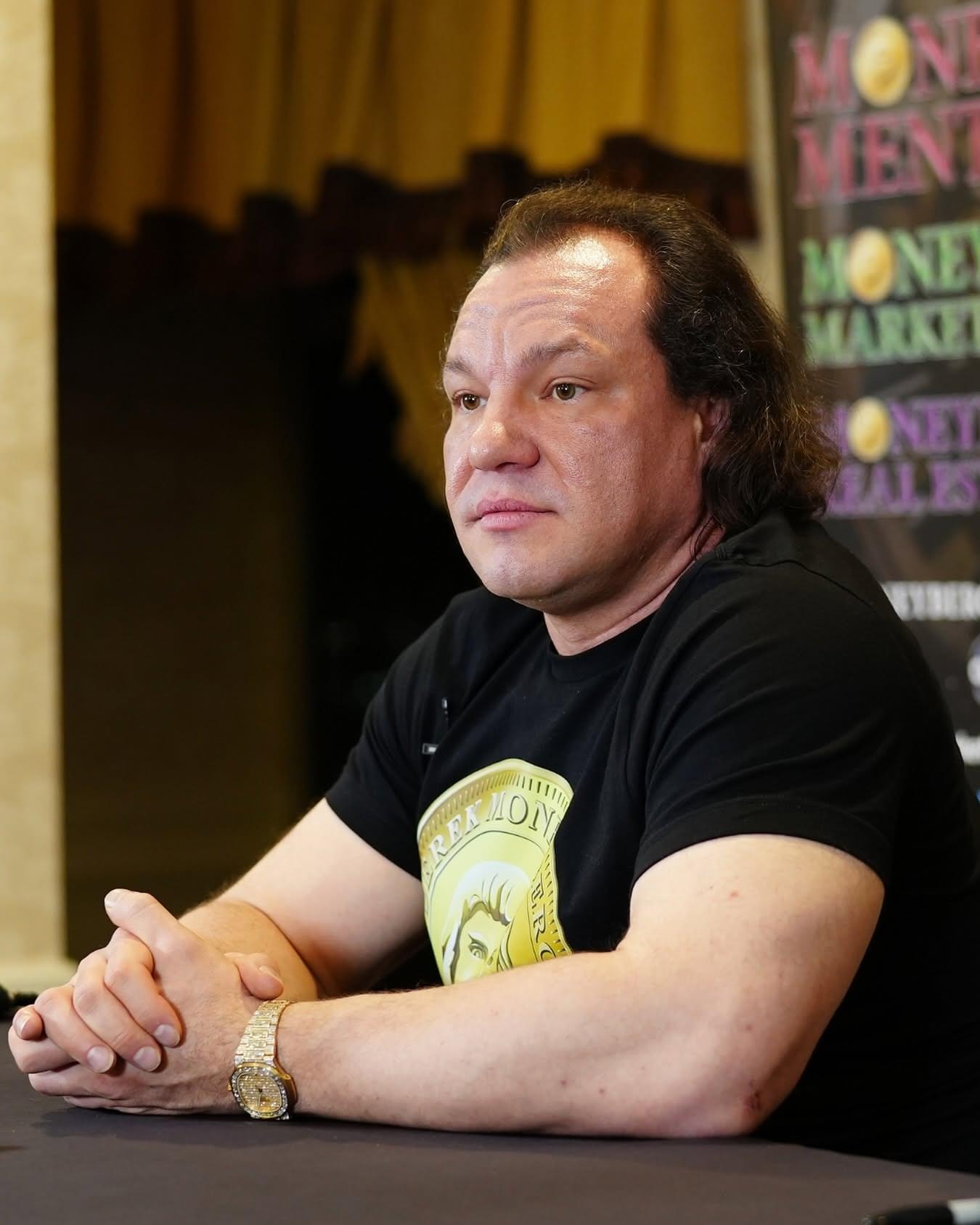
I’m an investor, entrepreneur, wealth coach, and host of The Derek Moneyberg Podcast.
Other posts by Derek