


Why I Pay Attention When Other Investors Panic
Markets can move for reasons beyond the businesses underneath them. Credit and debt cycles matter, but so does the behavior of buyers and sellers. I pay close attention when that behavior turns irrational. Excessive optimism can make an asset too expensive; excessive fear can create an opportunity to buy a business I understand at a better price.
When optimism outruns the price
Irrational exuberance looks like optimism about future prices. People buy, and their buying pushes the price higher. At some point it turns into what I called the "biggest fool theory": buyers know the price is too high, but they hope someone less careful will pay even more. In 2021 I thought many tech stocks were priced that way, as though everything would go perfectly, so a serious problem could make the price crumble. In almost any market, I added, some things are priced for perfection.
When fear sets the price
Much rarer are the moments when the panic runs the other way. I pointed to March 2020 and to December 2008 through March 2009, when people were irrationally pessimistic instead of irrationally optimistic. Catching one of those moments, I said, is "what dreams are made of."
A drop like that can feed itself. One person sells and the price falls. The lower price frightens someone else into selling, and then another person sells before it falls further. Selling can also come from institutions operating under rules or constraints, and from leveraged funds forced to close positions. Their sales can drive prices lower and prompt more selling. The result can become a cascade that has little to do with the underlying businesses. That is the kind of dislocation I watch for.
When other people are in that kind of frenzy, I want to be ready to examine what they are selling. That does not mean buying everything. I look for the businesses I understand and expect to perform best over time. This is distinct from trading for a few cents of daily price movement; I explain why I don't day trade in a separate answer.
The hard part is being ready
Those opportunities are infrequent. When one arrives, you may wish you had spent less on things you did not need and kept more available to invest. That was the point of my coffee example: small spending decisions can add up to money you would rather have when prices fall. You may wish you had "said no to stupid instead of buying stupid."
I also described my own rule on spending. I put a lot of spending on my credit cards, but I pay them off every month and never pay a penny of interest. I don't spend money I can't afford to pay back, and I would never borrow for consumable or luxury goods.
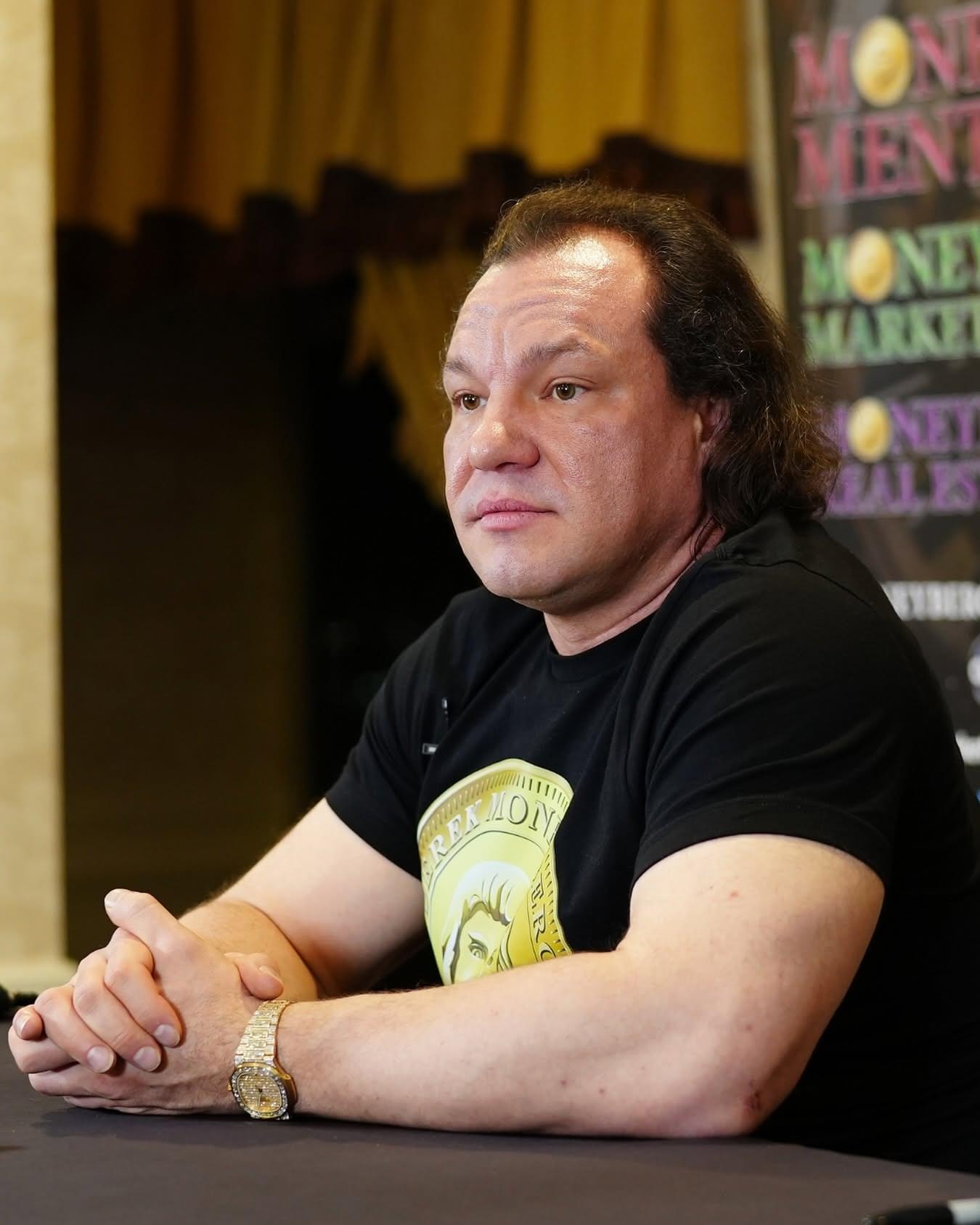
I’m an investor, entrepreneur, wealth coach, and host of The Derek Moneyberg Podcast.
Other posts by Derek