


How Much Research Is Enough Before You Invest?
There is no fixed number of research hours after which an investment becomes safe. I look at what I understand about the company, what I still do not know and what else I could do with the same money and time. Even after careful research, I cannot be completely sure.
You will never be 100 percent sure
You will never be completely confident in an investment, because the world changes in ways nobody can predict until they happen. I am not 100 percent confident about my own investments. I joked that I am not even certain the sun will come up tomorrow. The probability is very high, but certainty is not on offer. If you feel completely sure about anything, you are lying to yourself, and that is "a big red flag."
Compare against your alternatives
You do still have to be confident enough to act, and that means asking what your alternatives are. There are thousands of other stocks you could buy and hundreds of thousands of other assets around the world. You do not have time to analyze all of them. You will not have "perfect information," and even a careful analysis is a snapshot of one moment, after which the world moves on.
So the question becomes: given the information I have, what is the best thing to do with my time, my money and my other resources? I list them in that order on purpose. Time is the most valuable. If I make a mistake with money, I can sometimes get some of it back. I can never get time back, however much money I have. Smart people use money to buy more time later, and they spend time now on learning, which buys time back over the medium and long term. I made a similar argument about putting education first when a viewer asked what to do with $100,000.
You can be wrong often
Investing and entrepreneurship share one useful feature: you can be wrong much of the time and still do very well, as long as the size of what you get right outweighs the size of your mistakes. You will make errors, and sometimes you will look stupid. Do not hold yourself to a standard of being right every time.
Think in probabilities
Here is how I reasoned about a company like Nordstrom in 2021. People have worn clothes for a long time, and many middle-class, upper-middle-class and wealthy shoppers like that brand. My judgment at the time was that those customers would continue to spend. Whether they bought online or in a store mattered less to me than whether they would continue buying from the company. That is a judgment about probabilities, not a certainty.
Deciding how much to put in
Once you have a view, sizing the position is a cost-benefit decision: how much goes into this, versus that, versus something else. It depends on how much you know about those companies, your assessment of the risk, how much to hold in cash versus invested, and how well you know the market and the niches within it. That knowledge is what determines your confidence to put more into one thing than another. It is a personal decision, and it will not be perfectly right. I explain where I start my own reading of a company in why I read financial statements first.
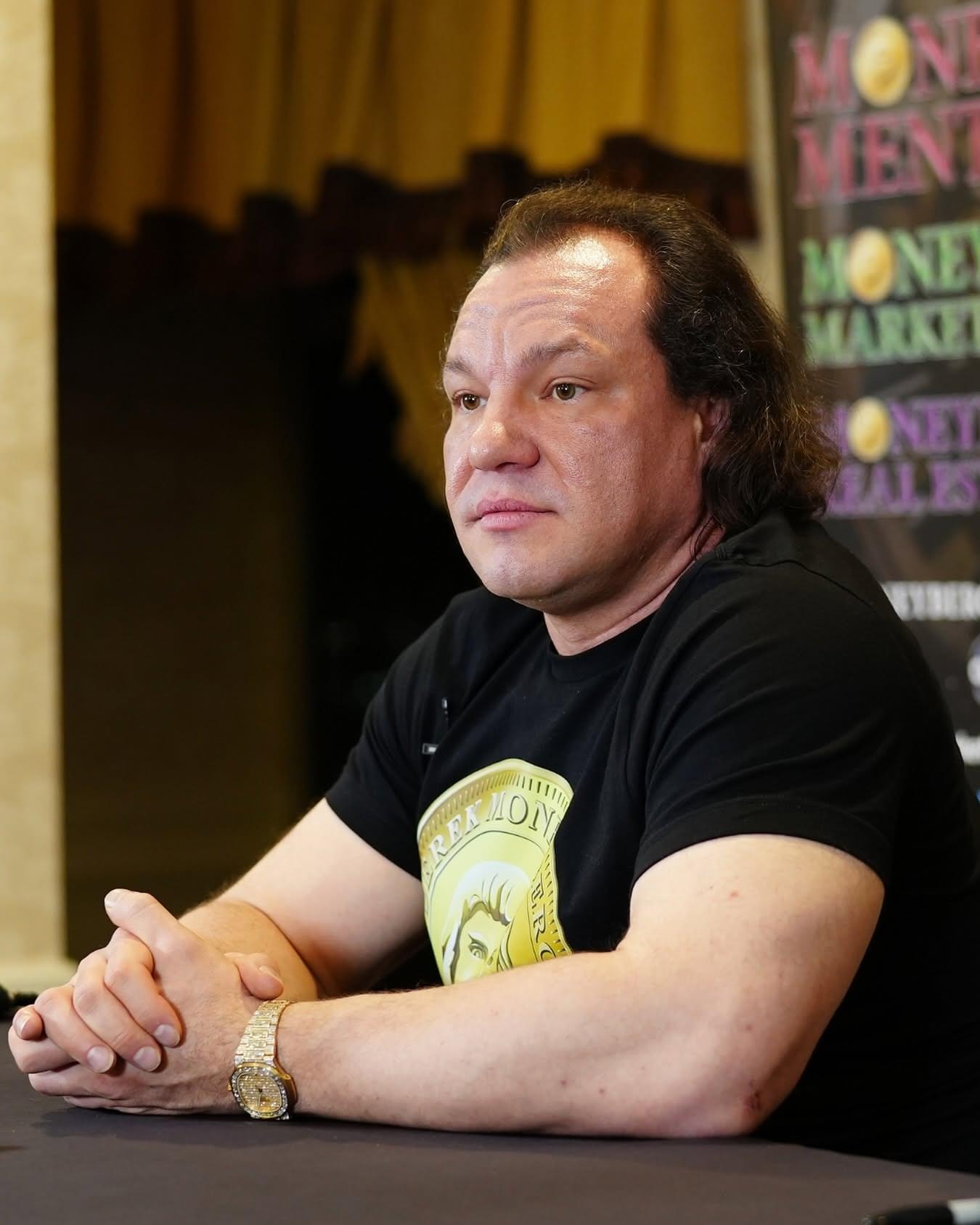
I’m an investor, entrepreneur, wealth coach, and host of The Derek Moneyberg Podcast.
Other posts by Derek