


Professionals Work Whatever Their Mood
There are mornings when I do not feel like doing the work I chose. That feeling is real, but it is not a new decision about my goal. In this Q&A, I explained the distinction I make between wanting professional results and being willing to work like a professional when the day is inconvenient.
“I'll acknowledge that I don't feel like it and then I'm gonna go do it anyway.”
I do not mean that every hour of every day should be devoted to one pursuit. You cannot be excellent at everything. You have to decide which one, two, or three areas matter enough to earn your consistent attention. Once I make that choice, I try not to renegotiate it with my mood every morning.
Preparation matters before the difficult day
Think about an athlete on game day. The training, coaching, repetition, and mental preparation happened long before the crowd arrived. The athlete may be tired or carrying an injury; the conditions may be chaotic. Preparation does not guarantee a win, but it gives the athlete something to draw on when the day is less than ideal.
I mentioned a former NFL player who was my primary business partner in real estate. From that experience, I thought about how serious competitors practice, ask coaches where they can improve, and visualize both the result they want and the problems that could interrupt it. The useful lesson for me is not that I can become an elite athlete by copying a training schedule. It is that the work I do before pressure arrives affects what I can do under pressure.
The same principle applies when I need expertise I do not have. I look for capable coaches and subject-matter experts instead of pretending I can learn everything alone. That is why I value learning from a mentor's experience: someone else's hard-earned mistakes can help me ask better questions before I make my own.
A team is part of professional work
No one runs a large organization by doing every job personally. I used Apple as an example: the person leading the company does not build and sell each phone. If I want to build something larger than I can manage alone, I need people whose skills complement mine.
I pay attention to work ethic, discipline, shared goals, integrity, respect for learning, and the ability to work with other people. Those were qualities I noticed when I studied successful people and teams. They do not make every outcome certain, but a team missing them will have a hard time doing demanding work together. I explain the practical side in business is a team sport.
Do the work when the conditions are ordinary
In the session, I imagined a doctor in an emergency room telling an injured patient that he would help only after lunch, or when he was in the right mood. The example is deliberately stark. People expect a professional to meet an agreed responsibility even when a shift is inconvenient. I asked the group why they would expect professional results from themselves while treating their own commitments as optional.
I also recalled meeting an Olympic swimmer in Las Vegas. As he told it to me, he had trained from childhood, often twice a day, for years. He made the Olympic team without winning a medal. I cannot independently verify his schedule from that conversation, and I was not offering it as a routine others should copy. It showed me how much preparation can sit behind a result that outsiders see only for a few minutes.
After I commit to a goal, I try to do a manageable piece of the work each day. Sometimes I feel enthusiastic, sometimes I do not. I can acknowledge that difference without handing it control of the calendar. Over time, the repeated choice becomes a habit.
Fundamentals before trends
I am more interested in durable skills than in the newest fashionable tactic. I ask what has worked in logic, finance, psychology, and collaboration for a long time. Once you know the fundamentals of a field, you are in a better position to recognize a useful new idea and distinguish it from noise. Creativity is more valuable when it rests on skill.
In my own business and investing work, I have studied math and finance, but I do not think calculation alone is my advantage. I pay close attention to how people decide, cooperate, and behave under stress. That is my view of where I can contribute. It is an opinion about my work, not a promise that a certain course of study or investment approach will make someone money.
Professional work, as I described it in the video, is a combination of judgment, preparation, help from good people, and follow-through. My mood may change before any one work session. The goal I chose, and the responsibility I accepted, do not change with it.
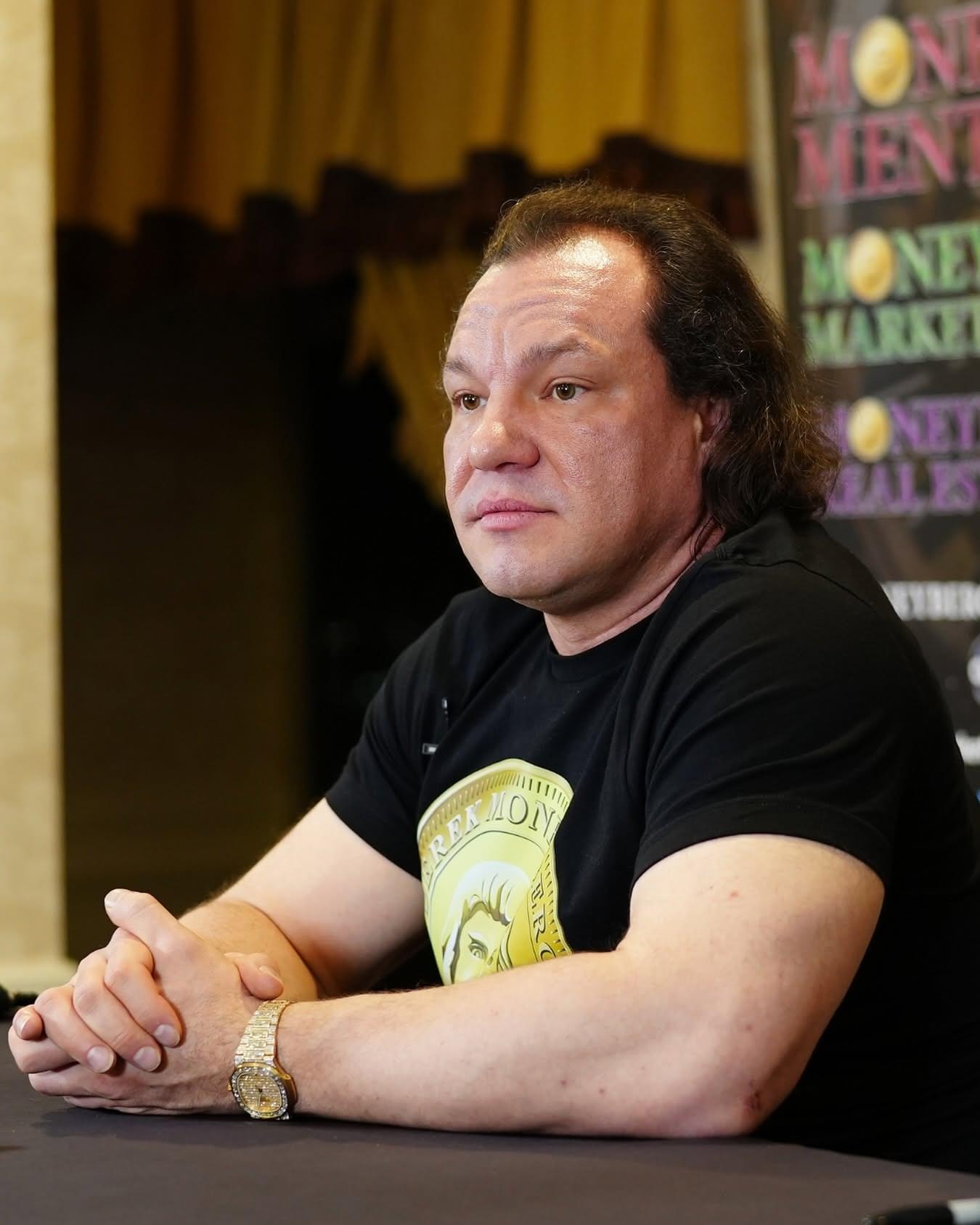
I’m an investor, entrepreneur, wealth coach, and host of The Derek Moneyberg Podcast.
Other posts by Derek