


Work Backward From the Goal You Want
A goal is easier to pursue when you can see a path to it. During a conversation with my mastermind group, a participant raised the idea of working backward from an outcome and then testing the sequence forward. I picked up that thought because it addresses something I see often: people look at a life they'd like to have, but can't picture how they could get there.
They see someone else doing something worthwhile and decide that it belongs to that other person's life. The possibility never becomes a plan. I want to move the conversation toward what would actually have to happen for that outcome to become possible.
Ask what has to happen one step before
Start with the goal and think in reverse. What would have to happen immediately before you accomplished it? Then ask what would have to happen before that. Keep going back through the precursors rather than leaving the outcome as one large, distant idea.
“What would have to happen one step before, one step before, one step before”
That's the repeated question I use in the discussion. Each answer gives you something more specific to think about. You're trying to see the sequence that leads to the result, including the steps that would make the next step possible.
The participant also brought up testing it forward. I describe playing the sequence back and forth. Working backward helps reveal the prerequisites; thinking forward helps you picture moving through them. The goal and the path need to make sense together.
This connects to choosing a few serious pursuits. Once I know what a pursuit requires, I have a clearer idea of the attention it will take. An appealing outcome on its own doesn't tell me how much work I'm choosing.
Recognize the barrier created by an invisible path
In the conversation, I describe a person who doesn't see how he could succeed and does very little. He may want an outcome, but he doesn't see it as a possibility for himself. Without a route he can picture, the desire doesn't give him much direction.
I call this a barrier that can seem very real psychologically. Someone looks at other people living a life he'd enjoy and thinks, “I guess it's not for me.” That thought can settle the matter before he has investigated what getting there would require.
I don't want to leave the inquiry there. Seeing somebody else accomplish something can also prompt a different thought: I think I could do that. At that point, the person starts to imagine a possibility he hadn't seriously considered before.
That change doesn't complete the work. It gives him a reason to examine the path. He can start thinking about the steps, the things he needs to understand, and the people who may know how the journey works.
Find someone who has made the journey
I use an island to illustrate the idea. Imagine the people living the life you want are on an island. You can keep looking at them from a distance, or you can start asking what would be necessary to get there.
In the video, I throw out a boat, a jet, and even a gaggle of geese as possible transportation. The last one is a joke, but the change in the question matters. Instead of treating the distance as the end of the discussion, you're brainstorming ways across it.
Then I describe finding somebody who has already made that journey. Perhaps he went there and came back. Perhaps he knows the place well enough to send instructions. His experience can help you see a route that was previously foggy.
That's a useful reason to think carefully about the people around your goals. In this example, you need someone familiar with the journey you're considering. Being able to ask a person who has been there is different from trying to imagine every step alone.
The picture may still be incomplete. I say it might still be foggy. But once you can start seeing what you would need to do, the outcome can begin to feel possible in a way it didn't before.
Let a clearer path change the size of the goal
I also describe how this process can expand what someone thinks is possible. Working through a goal, seeing its precursors, and moving through that sequence can lead him to set bigger goals.
Sometimes that change begins before the first goal is complete. Understanding more of the route changes how he sees the next possibility. He isn't looking only at a distant result anymore; he has begun to understand how the steps connect.
Take the outcome you've been treating as out of reach and ask what would have to happen immediately before it. Work back from there. If the route remains unclear, find someone who knows the journey and can help you see the next part of it.
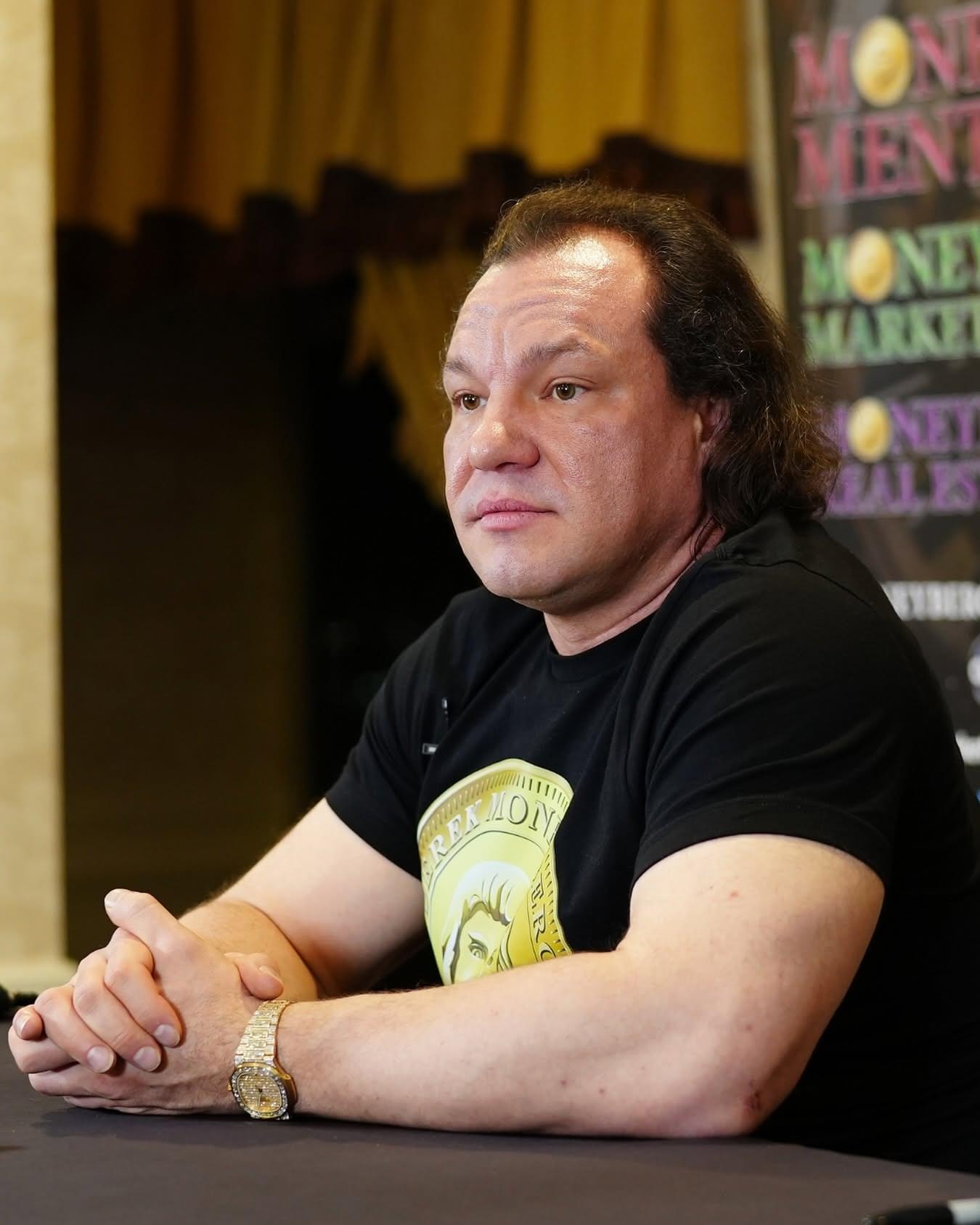
I’m an investor, entrepreneur, wealth coach, and host of The Derek Moneyberg Podcast.
Other posts by Derek