


What I Look For Before I Buy, and What Waiting Costs
"Most days I don't buy anything. Most days I don't sell anything." I keep an eye on what is going on, and I keep a short wish list of things I'm interested in. If an entry point becomes "unbelievably great," I go fact-check it. Does my thesis hold up under these circumstances? Is there something I'm missing? If I don't think I'm missing anything, I buy some, and I don't mind sitting on it for a few months, a year or several years.
I would rather pay long-term capital gains tax than short-term, which the IRS defines by a holding period of more than one year. I also like an investment that keeps going up year after year and pays a dividend or distribution along the way.
Why I stay away from early-stage companies
Early-stage experimental companies are not really my thing. I need to understand how the business works, how it makes money and what has to happen for it to make money, and I want a clear path.
If the answer is that the company has to educate the entire world about its products before it can make money, that is not for me. That is entrepreneurship, and if I am going to take entrepreneurial risk, I should be paid all of the profits, not a small percentage of them. Someone else might get good at that kind of investing and enjoy it. It is a tough game, and it is not where I think my own knowledge gives me an advantage.
What does excite me
I like to own something I understand. I want extremely little question about future demand for what the business sells, and I want it to be going through a tough spot that is misunderstood, by the media or by analysts.
In March and April 2020, when nobody wanted oil and energy prices were way down, I was buying oil and gas companies. When retail stores were closed by the government, I was buying some retailers, because I understood their balance sheets. Many small retailers were going to go out of business, but the big ones with strong enough balance sheets would survive, get their business back and take on more from smaller companies that lacked the financial strength to stay open. I have also owned casinos and alcohol companies. I don't mind talking about what I own, but it is not my goal to tell you what to buy. You live or die with your own results.
Hold the boring things
I'm not a trader, and I don't think selling a position because it went up a few cents is a recipe for success. I would point to Warren Buffett, who has held businesses for decades. Berkshire Hathaway has held See’s Candies and Coca-Cola for decades, along with railroads and banks. I explain why I don't day trade in a separate post.
What waiting costs
If you have saved cash and found a company that meets your criteria, you still have to decide how much to invest now and how much to hold back. Maybe you do both. If you think something is the best opportunity, buy it. If you don't think that opportunity is here yet, don't.
But if you keep saying you will wait for a better opportunity, you may remain "sitting on cash" for a long time. Inflation can erode its purchasing power, though the rate varies. So I think it is better to err a little toward the side of "I don't know if this is the perfect moment to buy something but it seems like a very good moment," and to dollar-cost average in and start buying some things.
The choice still depends on what you understand, how your expertise grows, and the amount of risk you are willing to take.
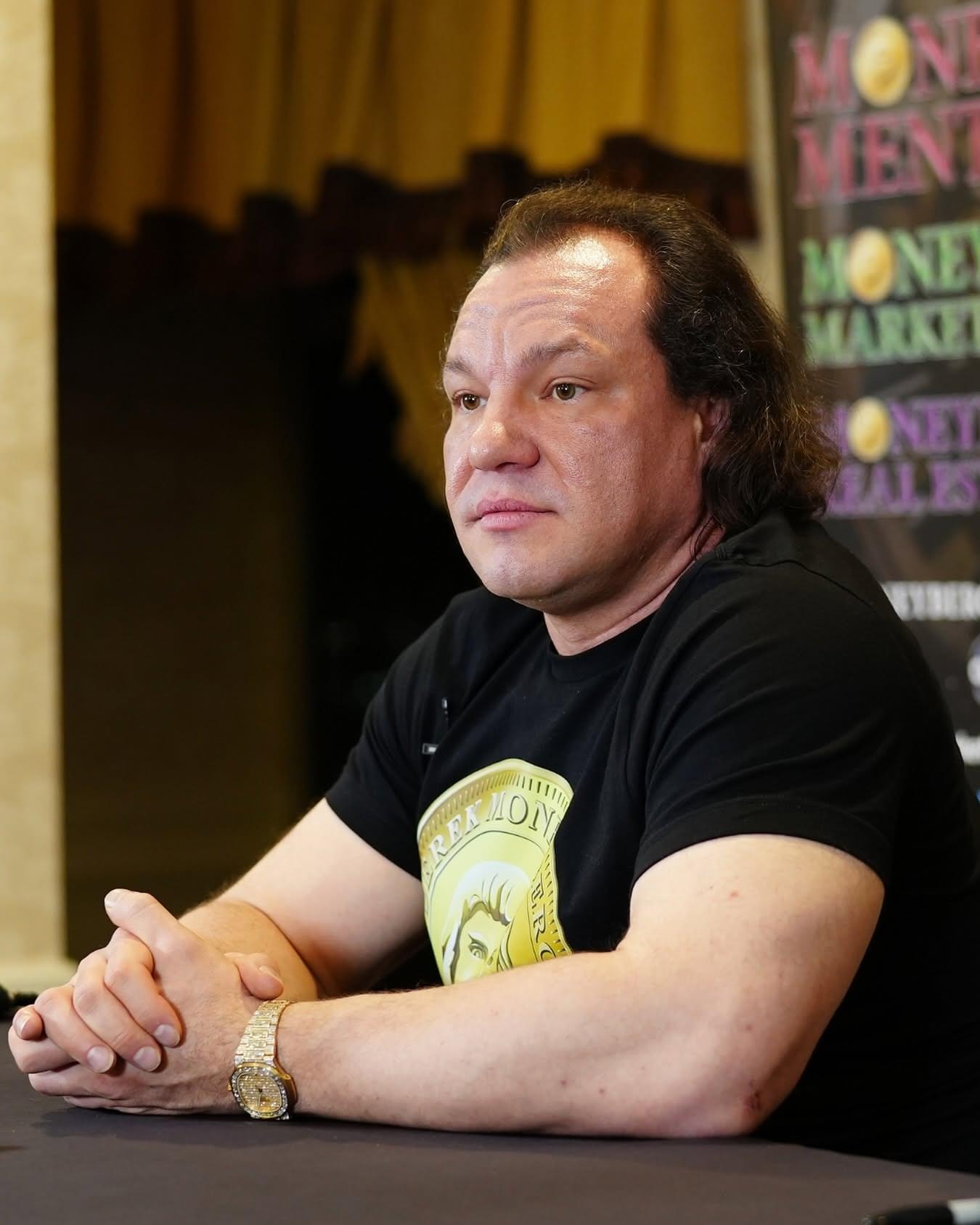
I’m an investor, entrepreneur, wealth coach, and host of The Derek Moneyberg Podcast.
Other posts by Derek