


Staying Calm, Skipping Excuses, and Keeping Your Word
On a flight to Los Angeles, the landing gear would not come down. We circled for roughly 100 to 110 minutes while the crew worked on the problem. When they told us to brace for an emergency landing, people around me gasped. A man nearby began to cry. I remember staying calm because losing control of my own thinking would not help anyone on that plane.
The crew eventually got the gear down. I told that story in a longer conversation about emotional control: what to do when a plan fails, how to take responsibility for the next decision, and why keeping your word matters even when doing so is uncomfortable.
Keep thinking when the pressure rises
I used the pilot who landed a plane in the Hudson River as another example. I was recalling the story from memory, not giving an aviation account. What stayed with me was his composure. He communicated with air traffic control, made a decision under pressure, and kept working the problem while the outcome was uncertain.
“Calmness under pressure means a lot.”
That is the standard I was trying to describe. Calm does not mean pretending the danger is small. On the Los Angeles flight, I knew the situation was serious. On another flight over the Atlantic, a malfunction made me think about the water below and whether I would survive if we had to come down. In neither case could I repair the aircraft myself. I could still control whether I added panic to an already difficult situation.
In business, the stakes are usually different, but the habit is useful. When something goes wrong, I want to know what is happening, what decision is mine to make, and what I can do next. A team cannot work from a clear plan if the person responsible is busy protecting his ego or looking for someone to blame.
Move past the excuse
I have little patience for “it's not my fault” when the phrase ends the conversation. There are times when a problem genuinely was caused by someone else. That fact does not answer the practical question of who will deal with it now. People are paid for judgment precisely when there is no comfortable playbook and the next step is not written into a job description.
There is a related excuse: waiting until you feel ready. In a separate conversation, I explained why professionals do the work whatever their mood. The point here is similar. You can acknowledge frustration or fear without letting that feeling make the decision for you.
Keep your word even when the group changes
When I decided to get my GED and go to college, some friends laughed. I wanted people close to me to come along, but I could not make that choice for them. As my plans and work changed, some of those relationships changed too. Staying loyal to a person is different from abandoning your own direction to keep everyone comfortable.
Keeping your word is part of that direction. If I tell someone I will do something, I want them to be able to rely on it. If a person repeatedly breaks a commitment to me, I reconsider the relationship. That applies to business partners and to the vendors I choose to work with. Reliability is shown by what people do after an agreement becomes inconvenient.
The same test applies to my own conduct. It is easy to talk about values when no one is asking you to give anything up. The harder moment is when you are tempted to say something you do not believe, break a promise, or blame circumstances rather than take the next useful step. I would rather make a difficult decision and keep my self-respect than win approval by betraying my word.
Match the work to the goal
In that conversation, I also argued that unusually ambitious results generally require effort and consistency outside the ordinary pattern. My examples about work hours and saving were illustrations of the trade-offs I was thinking through at the time, not a schedule or a financial result I can promise anyone. The practical question is whether the work you are doing matches the outcome you say you want.
Calmness, responsibility, reliability, and effort are connected. Each asks you to act on a decision when your immediate feelings pull in another direction. I cannot control every result, but I can control whether I keep thinking, keep my word, and do the work that is actually mine to do.
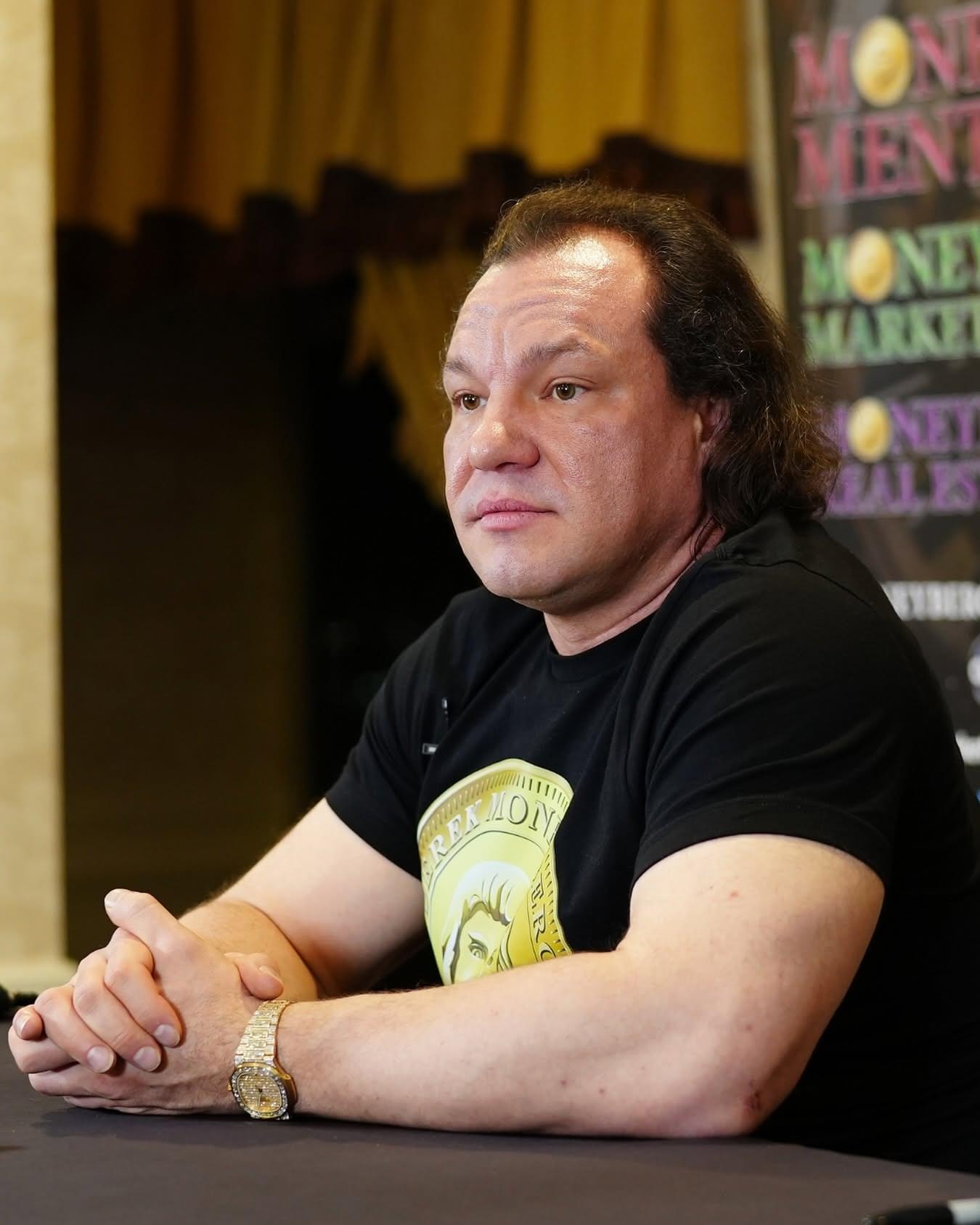
I’m an investor, entrepreneur, wealth coach, and host of The Derek Moneyberg Podcast.
Other posts by Derek