


Build a Better Network by Contributing Value
I wanted a social circle I couldn't find by paying for access to an existing group. I wanted people I respected, liked, and wanted to spend time with over many years. Creating my mastermind group was my way of building that circle.
That desire gave me a responsibility. If I wanted those people to care about a relationship with me, I had to offer something valuable to them. Wanting a good network didn't mean anybody owed me his time.
“Nobody owes me anything.”
I come back to that point in this discussion because it changes the question I ask about a business. I have to understand what the people I want to work with want for their own lives, then consider whether I can help them accomplish it.
Know what you want from the relationships you build
I've been open about wanting a high-quality social group. In this conversation, I explain that I would have been happy to join somebody else's group if I could have found the relationships I wanted there. I didn't need to lead it or have my name on it.
I would have wanted to be a respected, contributing member. That arrangement would have given me the social connections I wanted without all the effort involved in creating a group myself.
I hadn't found that through my university network or through the other paid arrangements I describe. Access alone wasn't enough to make me respect the people in a room or want to spend time with them. I wanted a circle that made sense for me over the long term, so I decided to create it.
This is the relationship side of what I mean by business being a team sport. I think about the people I want around me and what we can do together. Their goals and conduct matter to whether the group is one I want to remain part of.
Build a group you want to keep showing up for
In the discussion, I distinguish the ongoing social group from the weekly coaching and marketing work around it. I describe limits on how long I wanted to keep doing those activities. I also say I would fulfill pending obligations if I decided to stop taking on that work.
That distinction explains why taking money from anybody who offered it wasn't appealing to me. I had to want to show up and spend time with the people involved. A business built around relationships has to be a relationship I want, too.
I also describe the personal satisfaction I get from helping clients. For more than the first half of my life, I felt I lacked the confidence, certainty, and stability I wanted. Helping another person develop a better framework for his life meant something to me because I remembered that experience.
I enjoyed seeing people work toward better financial outcomes and more confidence. That satisfaction was part of why I wanted to do the work. The social group was another part. I understood my own reasons for participating, and I needed to understand the client's reasons just as clearly.
Make it possible for good relationships to last
When I recorded this conversation, I described wanting the group to develop into a few hundred long-term relationships. I was thinking about the people who would continue to take part over time.
I discussed how I had structured the membership at that point: a larger commitment to join, followed by a smaller renewal commitment. My stated reason for the lower renewal cost was that someone having a difficult financial year could still remain in the group.
That was a deliberate choice about the kind of circle I wanted. I wanted people to be able to stay once they were there. I also expected them to take the commitment seriously.
During the conversation, I asked how many people had already made money in some way through me or another member. Then I asked them to consider what relationships like those could mean over decades. I was asking them to think beyond the first interaction and consider the value of continuing to know and work with good people.
The long-term view influenced both how I structured the group and how I thought about the conduct of its members. I wanted relationships I could continue to respect.
Be clear about the commitment before accepting it
One person joined a mentoring program and then asked to postpone his participation after deciding it involved more work than he had expected. I referred him to the terms he had agreed to.
Those terms were short. The dates and the firm nature of the commitment appeared several times. My concern was that we had made a specific agreement and he now wanted me to change it because it had become inconvenient.
I didn't want that pattern in the relationships I was building. I wanted to work with people whose commitments remained meaningful when carrying them out took effort.
That example also explains why I care about setting expectations before agreeing to work together. The person needs to understand what he is accepting. I need to be clear about what I will provide and the commitment I expect in return.
In this conversation, I say that some people who ask for those changes aren't the clients I want to work with in the future. I don't view every possible client as a fit for the group. Choosing whom to serve includes recognizing relationships I don't want to continue.
Identify the people you can help at a high level
Near the end of the discussion, I turn a question about attracting people into a question about serving them. I need to identify the people I can legitimately help at a high level and the work that would make a meaningful difference in their lives.
Those questions require me to spend time thinking about the other person. I have my preferences about the kind of people I want to know, but those people have their own reasons for deciding whether to work with me.
I describe wanting to help someone so much in the first engagement that he would want another opportunity to work together. He would have a reason to expect the next experience to be useful because the first one had already helped him.
I also acknowledge that a valuable experience may be hard. The work doesn't have to be easy for the person to be glad he did it. What matters in my explanation is whether it helps produce meaningful, practical outcomes.
I use the phrase “measurable pragmatic outcomes” because I want the benefit to reach the person's life. I have to consider what I can actually help him do. If I can't help at that level, I say that he and I should do something else.
The network I want requires ongoing contribution from me. I have to understand the people I hope to spend time with, take commitments seriously in practice, and offer work they have a reason to value. That's how I approach building relationships I want to keep for years.
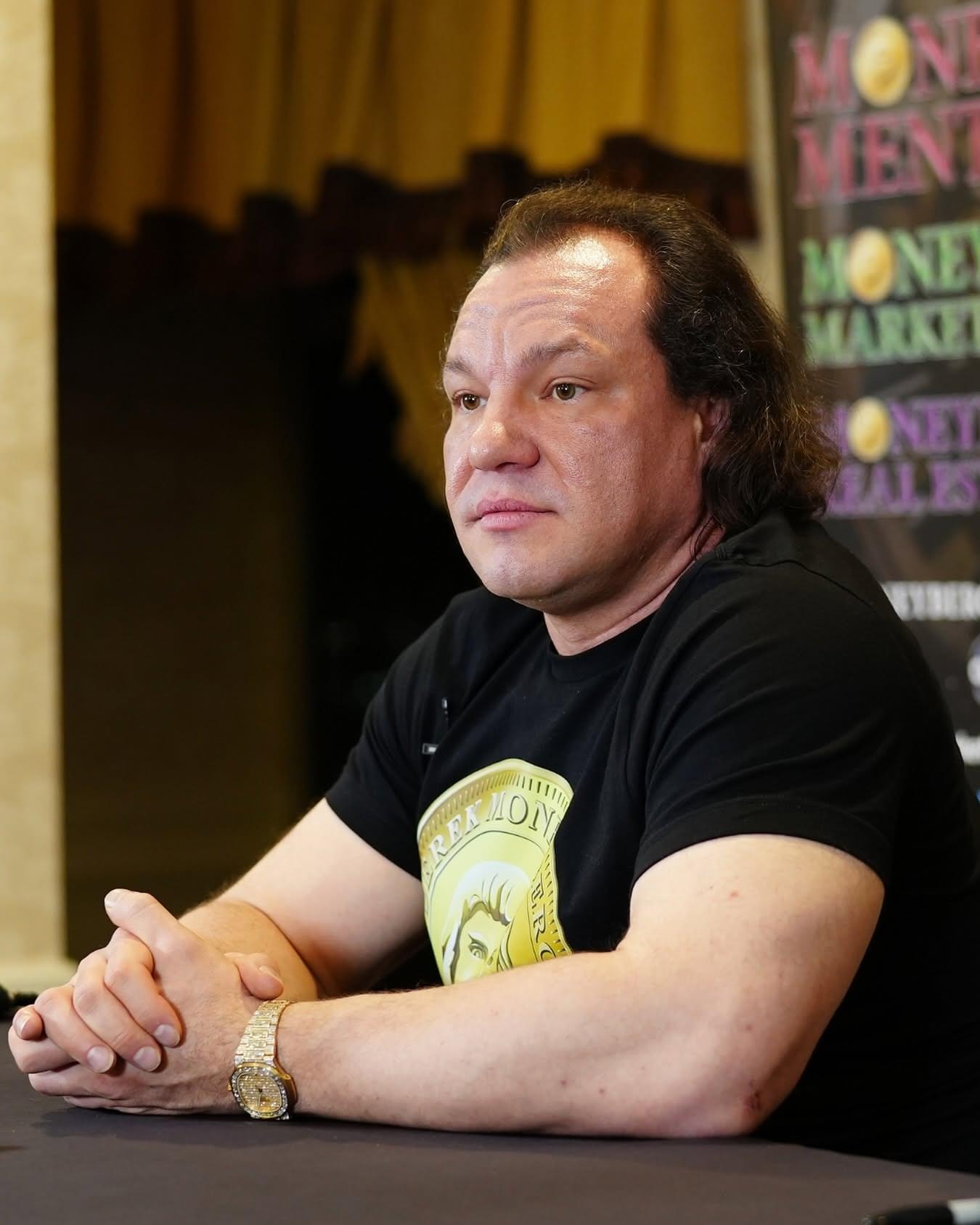
I’m an investor, entrepreneur, wealth coach, and host of The Derek Moneyberg Podcast.
Other posts by Derek