


Own Your Results, Not Your Title
In a 2020 group conversation, I talked about the difference between having an impressive title and taking responsibility for a result. A title can describe authority. It does not, by itself, create useful work, better judgment, or a better outcome.
The video’s title refers to saving money, but that is not what this part of the conversation is about. I was answering questions about work, how I relate to a team, and what standards I try to set for myself.
Know what you want the title to accomplish
I asked the room whether they would rather have more money or a title that sounded good. I joked that someone could create many companies and become the CEO of everything with empty bank accounts.
The joke was about mistaking a label for a result. I had seen titles handed out more easily than meaningful changes in compensation or responsibility.
That does not mean a title is worthless. It can signal a real scope of work. My point was to look past the label and ask what you can actually decide, contribute, and build in the role.
Take responsibility for your own direction
I said, Nobody's more responsible for my outcomes than me.
That is how I think about choices within a job as well as outside it. If an arrangement no longer fits the direction you want to go, you can look for another role, develop skills, or begin work of your own. Those choices take effort and may have costs; responsibility means facing the tradeoffs rather than assuming a title will solve them.
In the conversation I objected to describing every working relationship as working for a boss. I prefer to think about people working with one another toward a result. Even when I set the agenda in my own organization, I want people who notice what needs doing and bring judgment to it. That is part of why I say business is a team sport. One person cannot see or handle every useful task.
Show the standard in small actions
I used a simple example: if I notice something out of place, I can pick it up instead of waiting for someone else. A leader who expects care from the team should be willing to show care in ordinary work. The small action does not replace the big responsibilities; it makes the expectation visible.
I also talked about asking people to look beyond a narrow job description and notice problems they are equipped to solve. That works best when expectations are made clear before the work begins. I discuss that conversation in setting expectations early. Initiative is useful when people understand their authority, priorities, and the commitments they have already made.
The pace I chose for myself
Later in the recording, I recalled a professor who taught private equity and venture capital. His course demanded substantial work, and I admired the precision he brought to it. I took from him the idea that a person aiming to do difficult work at a high level should expect to spend serious time learning the craft.
I then described my own habit of working during holidays and pursuing projects intensely. That was how I said I liked to spend my time in 2020. It is not a universal schedule, an employment requirement, or proof that more hours always produce a better result. The part I would keep is intentionality: decide what you are working toward, understand what it requires, and judge progress by the work and results rather than by the title attached to you.
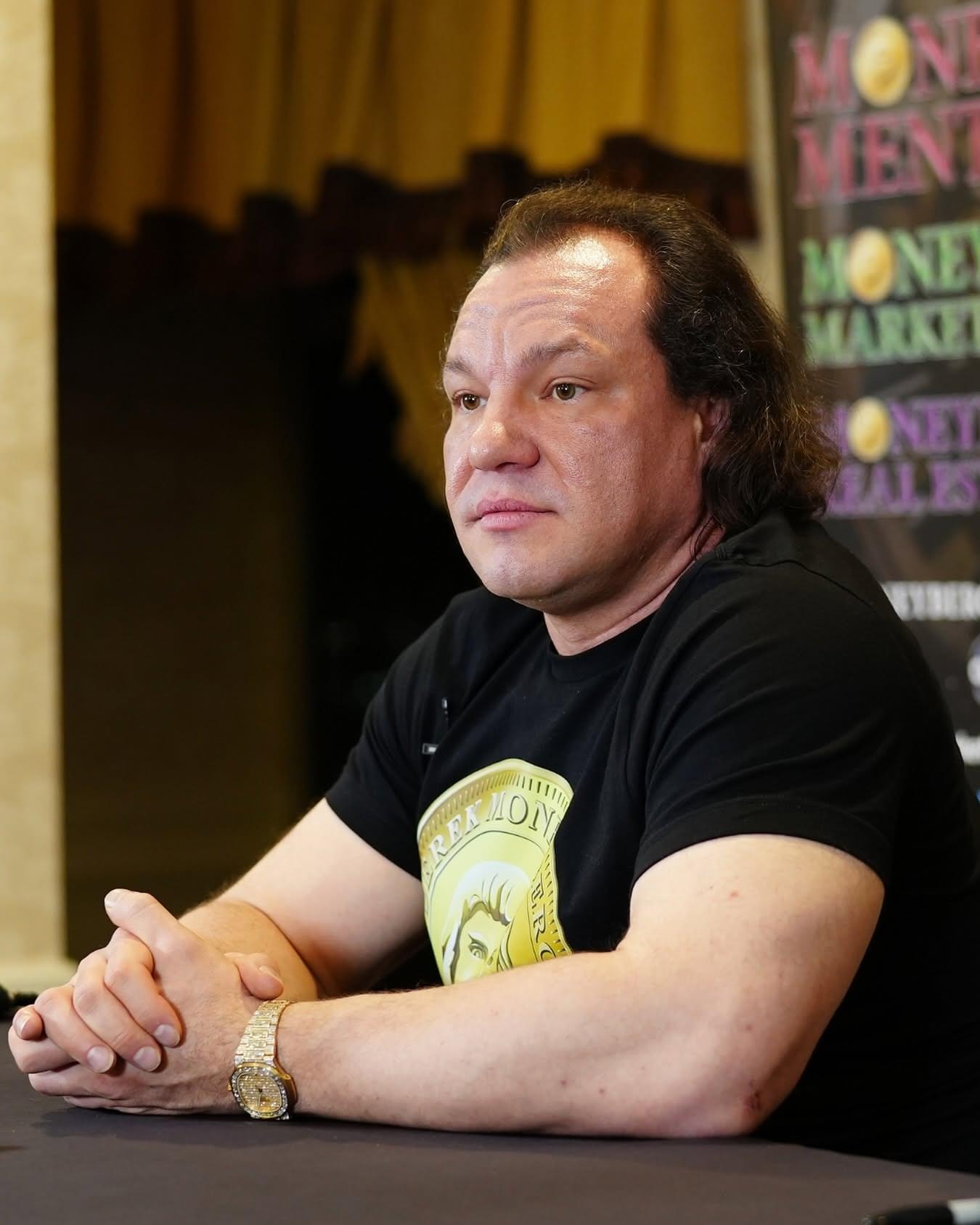
I’m an investor, entrepreneur, wealth coach, and host of The Derek Moneyberg Podcast.
Other posts by Derek