


Let Your Price and Your Message Filter Who Shows Up
The price of a program and the way I describe it affect who decides to join. A higher price does not automatically create commitment. I think about price alongside the kind of person I want to work with and what the program asks of them.
Does a higher price create more buy-in?
It depends. I built premium programs for people willing to put in serious work. I wanted a price that was fair to me and meaningful to the person paying, without being a burden to the people for whom the program was built. In that context, price can be one filter. It cannot tell me by itself whether someone will show up and do the work.
I could sell to more people if I talked slightly differently. I choose not to, because I want people who are serious, dedicated, and willing to show up consistently. A message aimed at everyone would bring in some people who would not want the process behind the promise.
Your message filters, too
Look at my YouTube titles. Many of them are factual and a little boring, and that is intentional. I think they appeal to people looking for someone who is not full of hype. I see that as a useful filter. It also means fewer clicks and views than I could get with heavy clickbait. I accept that tradeoff because I am there to communicate with people who have high aspirations and want to do better, not to chase the widest possible audience.
The same choice continues after a person clicks. I want the standards of a program to be visible before someone commits. I discuss that in setting clear expectations before working together. Someone who sees those standards can decide whether the fit is right.
Know which market you are in
Some brands are more price sensitive. Others are bought partly as a status or lifestyle signal. The audience and the product change how price works. You have to know which market you are in and whom you are trying to reach before treating a higher price as a strategy.
My aim was not to reach the greatest number of people or to have the biggest number of clients. Price and wording both reflect that choice. In how I distinguish marketing from advertising, I make the related point that a clear message comes before paying to spread it. Advertising can widen the audience; it does not decide who belongs in it.
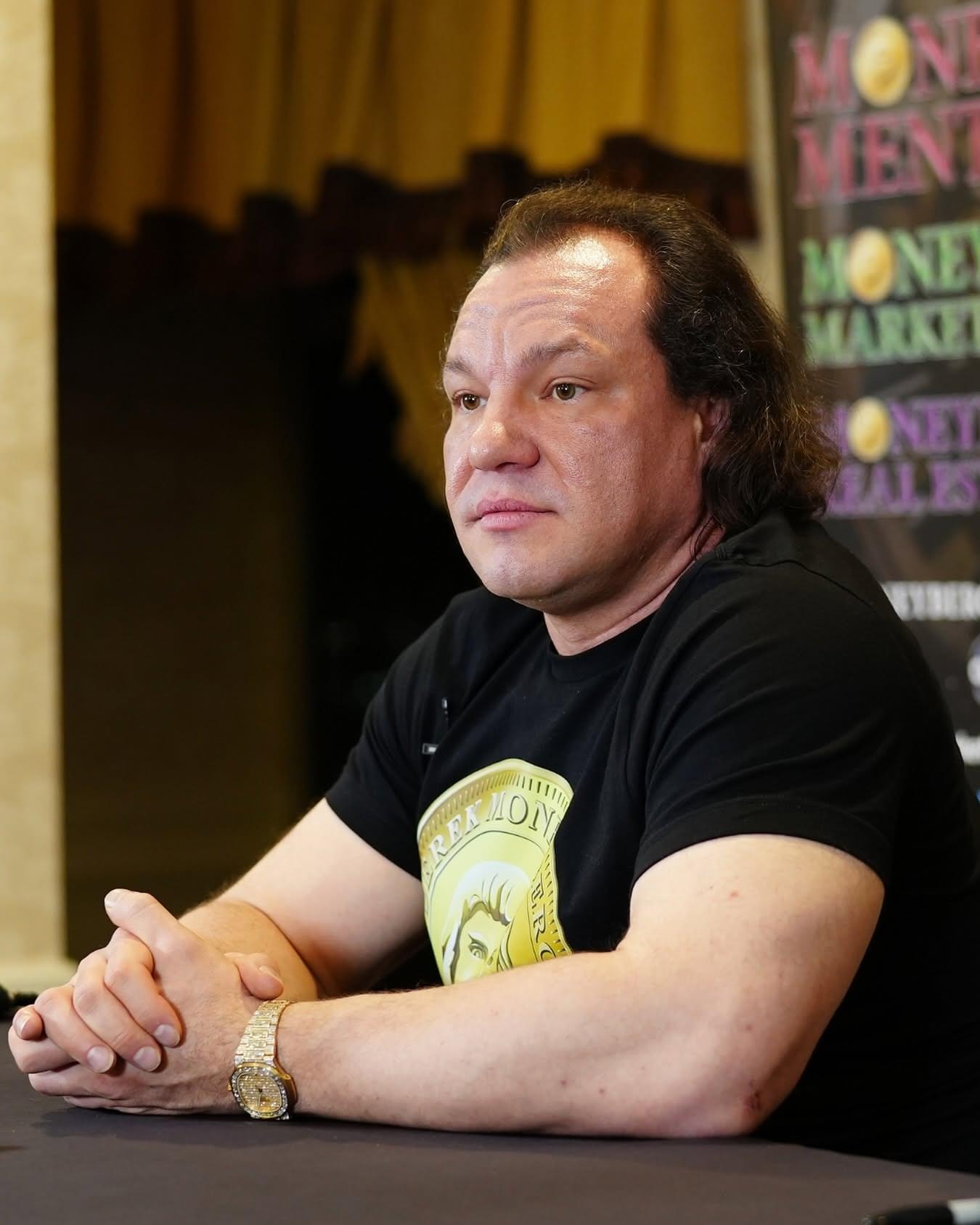
I’m an investor, entrepreneur, wealth coach, and host of The Derek Moneyberg Podcast.
Other posts by Derek