


Dividends, Buybacks or Reinvestment: How I Think About Getting Paid
When I own part of a business, I care that I am getting paid. I care much less about how. I look at three ways a company can create value for a shareholder: it can distribute cash through a dividend, repurchase shares, or retain earnings and reinvest them in the business. The last route is valuable only if the company puts that money to productive use. I am fine with any of the three "as long as we're getting paid."
Dividends: nothing wrong with them, but overrated
A viewer asked about mature companies that offer modest appreciation but are low-risk, with strong fundamentals and good dividends. There is nothing wrong with that choice if you accept smaller returns. Stable companies with slow growth, or none, can pay a dividend.
My own view is that "dividends are overrated." Take a company that could keep the money and reinvest it at a higher rate of return than the dividend yield. If it pays 7 or even 10 percent but could grow the money at 15 percent, I would rather it kept the cash. A dividend arrives as cash that may be taxable (the IRS explains the different treatments of corporate distributions), and then you have to decide what to do with it. In my view, a distribution also comes at the cost of a lower stock price than if the company had kept the money.
There is a counterargument, and I gave it too: some people buy a stock because they like the dividend, and they may bid its price up for that reason. Dividends make good sense if you are older and want income for retirement. I like them too. I receive dividends and other payouts from various companies. I just don't think they are the best way for a company to pay me. To judge whether a company could earn more on retained money than it pays out, you need to read its accounts. I explain where I start with financial statements in another post.
Buybacks
Another way to return value is a share repurchase, when the company buys its own shares off the market. A repurchase can reduce the number of shares outstanding and increase each remaining share’s claim on the business. That does not guarantee a higher share price: what the company pays for its shares matters. The company buys from shareholders ready to sell, leaving continuing owners with a larger proportionate stake.
Which one I prefer
Dividend, buyback, or keeping the money and growing the value of my stake: I am pretty neutral between them. If you want to live off your investments, dividends are great. I don't need to live off the money, so I reinvest it.
Back to the viewer's question about slower-growth or no-growth companies: I like to buy things that are out of favor and likely to do better in the future. I think that is safer, but you have to be patient with the timing.
Why I do not use a fixed bank ratio
Another viewer was analyzing a financial institution and noticed that its price relative to book value was much higher than the usual range. He asked whether that was typical and what ratio would count as undervalued. I told him I don't buy financial institutions in normal times. I have owned bank shares during a distressed market, as shorter-term positions rather than a general endorsement of banks.
My decision was about the distressed price and the possibility that conditions would improve, not a fixed price-to-book ratio. I saw other distressed assets as better long-term holdings. I had enough information to feel confident in the decision, but not complete information, and not "a great thesis on what book value should be" at different points in an economy. I told the viewer to look at it himself, and I added that "there's plenty of things I don't know."
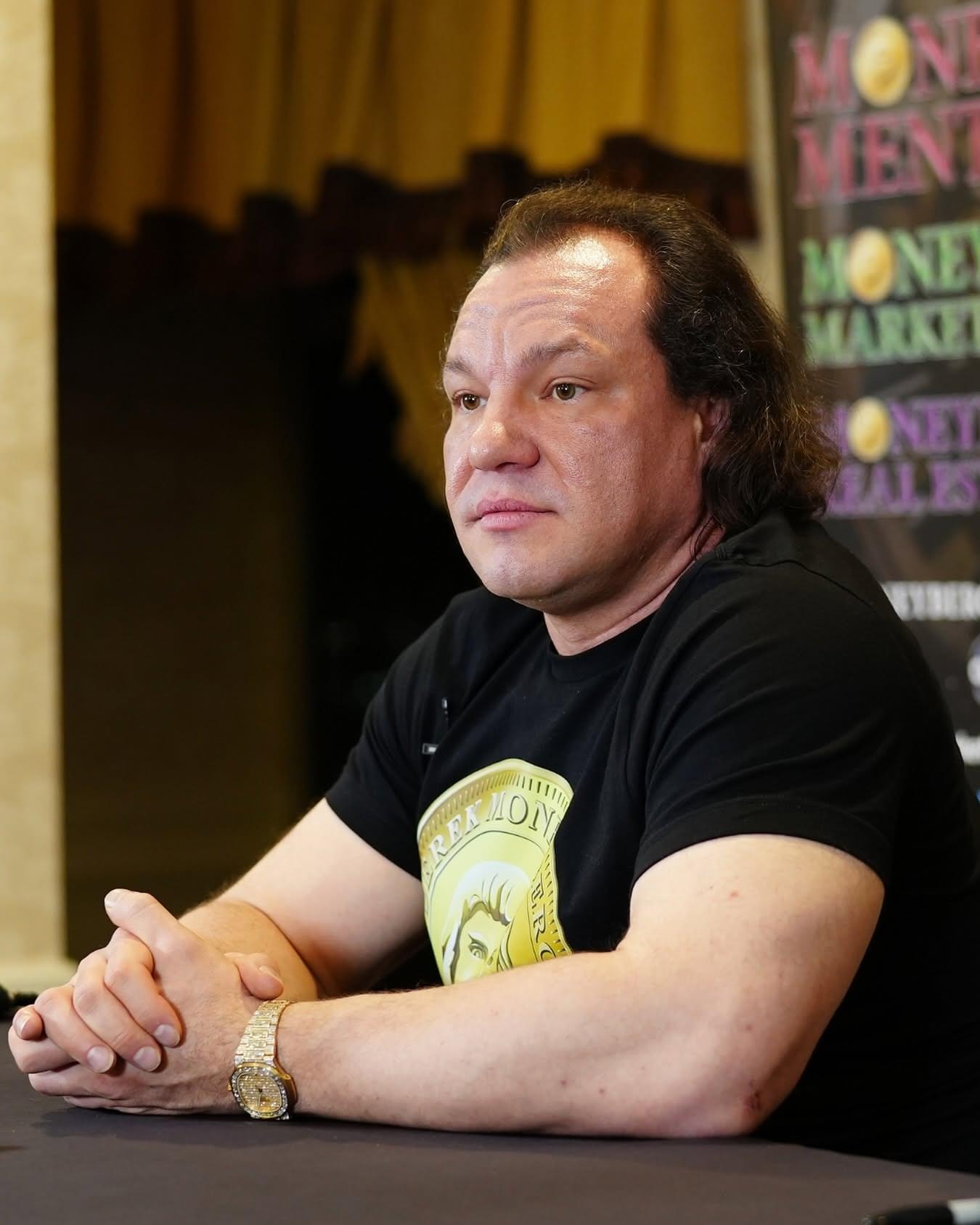
I’m an investor, entrepreneur, wealth coach, and host of The Derek Moneyberg Podcast.
Other posts by Derek