


Build a Small Core Team You Can Count On
When I think about a small team, I start with trust. I want to know that a person's word means something, that the work matters to them, and that we are trying to reach an outcome together. Skill matters, but a highly skilled person who cannot be counted on is not the person I want closest to me.
Keep your word, especially when it is inconvenient
I learned early to pay attention to whether people do what they say they will do. That standard applies to me first. I do not make many promises, because I intend to keep the ones I make even when the timing or the effort is inconvenient.
If I make a promise to somebody it's gonna happen.
When someone else makes a commitment to me, I treat it as meaningful. A breach of trust can end the relationship. That is why I would rather learn how a person handles commitments through real work than rely on enthusiasm in a conversation. The same principle applies to outside suppliers: in how I handle a vendor who breaks a commitment, I explain what I do when the promised result does not arrive.
Let the work reveal the fit
At the time of the conversation, the path into my team often began with someone participating in my program and making themselves useful. They could help during later events, assist other clients, and show how they handled responsibility when no title had been promised. If the work went well, inviting them back became easier. If the fit was not there, we learned that before making a larger commitment.
I described an assistant who had worked closely with me for about three years. He stayed focused, worked hard, and came through when I needed something. I appreciated the reliability more than any single résumé item. A long relationship gave us evidence of how we worked together; it was not something either of us could establish in a first meeting.
Align incentives around outcomes
I want the people in my core group to understand what I am trying to accomplish and to be rewarded when they help accomplish it. In the talk, I distinguished that group from the hourly and contract workers they may manage. My time goes into training the people responsible for outcomes, and they manage much of the work beneath them.
I want our incentives in alignment.
That arrangement only works when the people closest to me are capable, well trained, and fairly compensated for the responsibility they carry. It also requires me to define the outcome clearly. I explain the importance of doing that before work begins in my article on setting expectations early.
Loyalty runs both ways
I have thanked assistants with gifts and practical help in addition to their compensation. Those gestures were not a substitute for paying them well. They were ways of showing appreciation for people who had consistently shown up for me. The relationship is stronger when each person knows the other will do right by them.
A small core team can last for years when trust, competence, and incentives reinforce one another. I cannot ask someone to stand by me if I am not willing to be a good friend and a reliable partner to them too.
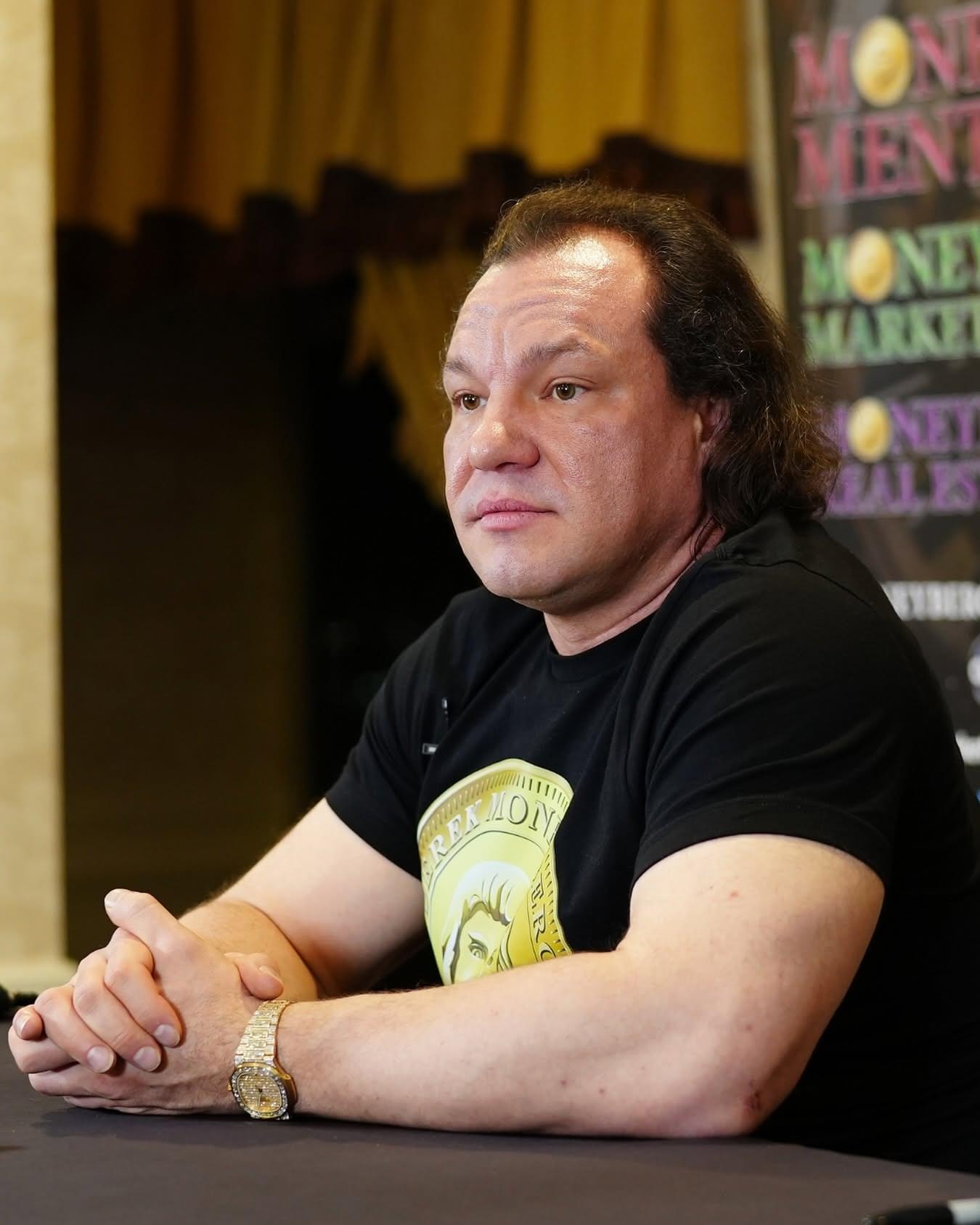
I’m an investor, entrepreneur, wealth coach, and host of The Derek Moneyberg Podcast.
Other posts by Derek